August 27, 2026
An entryway plays a crucial role in maintaining your home's security, climate control, and overall curb appeal. Over time, constant exposure to severe weather and daily foot traffic causes structural wear that compromises safety and home performance. Ignoring visible damage or operating issues often leads to rising utility bills, structural rot, and reduced property values.
Upgrading to a custom door restores structural integrity while elevating architectural aesthetics throughout your entire entry space. Identifying subtle warning signs early prevents minor flaws from becoming costly home emergencies. Recognizing these critical entry warnings helps homeowners select ideal replacements for long-term comfort.
1. Noticing Visible Cracks and Warping
Examining the surface of your entry barrier reveals essential structural details regarding age and environmental exposure. Solid wood materials often warp, split, or expand due to fluctuating ambient temperatures and severe moisture absorption over many seasons. These deep physical fissures compromise internal stability while allowing unwanted moisture to penetrate deep inside internal framing components.
Installing a fitted custom door eliminates unsightly surface gaps, establishing a tight barrier against harsh outdoor elements. Addressing severe surface damage promptly prevents structural rot from invading adjacent wall studs, keeping your entryway safe, secure, and visually appealing throughout the entire calendar year.
2. Feeling Persistent Drafts Through Gaps
Detecting incoming cold breezes near entryway thresholds indicates deteriorating weatherstripping and compromised frame alignment. Outer seals shrink, dry out, and crack over time, creating unwanted openings that allow conditioned air to escape continuously. Poor insulation forces heating and cooling systems to work overtime, inflating monthly utility expenses significantly.
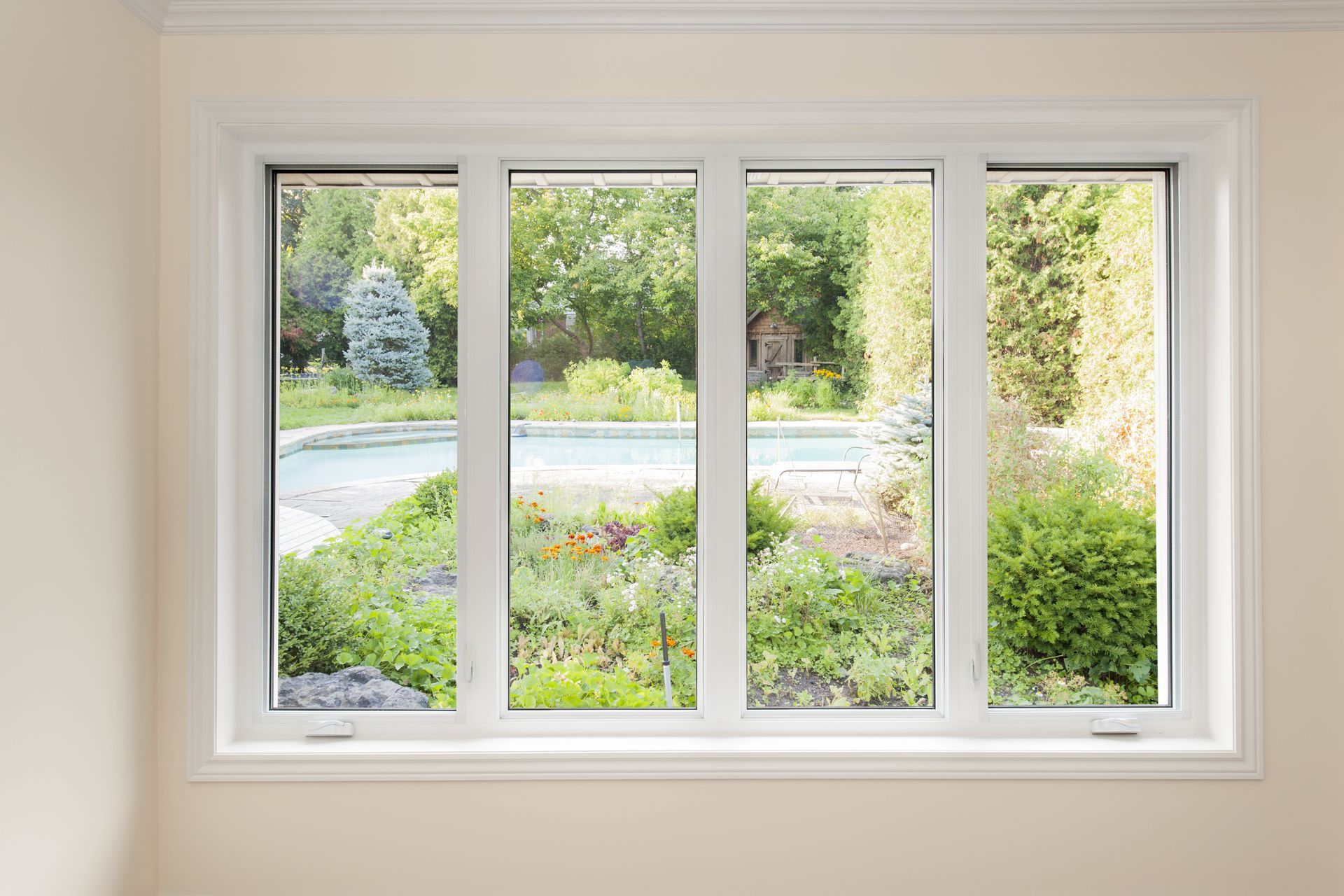
Low-e exterior or interior storm windows can save you 12%–33% on heating and cooling costs, according to the U.S. Department of Energy. Upgrading your entry system alongside energy-efficient windows optimizes total household energy performance. Choosing a tailored custom door ensures exact alignment, preventing costly thermal loss throughout extreme winter and summer months.
3. Struggling With Sticky Operation
Operating an aging entry panel should never require heavy exertion, kicking, or forcing deadbolts into position. Structural shifting, rusted hinges, or swollen internal cores cause panels to rub forcefully against side jambs. Scraping along flooring indicates heavy sagging that strains hardware, hinges, and surrounding frame materials.
Forcing compromised latches increases daily stress on delicate locking mechanisms, increasing the likelihood of sudden mechanical failures. Replacing worn framing components with a modern custom door restores effortless daily operation and smooth alignment. Precise installation ensures smooth swinging motions without hazardous sticking, binding, or annoying physical resistance.
4. Hearing Excessive Outside Noise
Evaluating internal sound levels helps determine whether current entry materials provide adequate acoustic insulation. Thin hollow cores or decayed weather seals fail to block disruptive traffic sounds, barking dogs, and neighborhood foot traffic. Constant exterior noise disrupts indoor tranquility, indicating poor material density and structural gaps.
Modern solid-core options feature advanced dampening materials that absorb unwanted airborne vibrations effectively. Installing an insulated custom door transforms chaotic ambient surroundings into a calm, quiet indoor sanctuary. Superior acoustic blocking enhances home relaxation, allowing family members to enjoy peaceful living spaces without constant environmental distractions.
5. Detecting Soft Spots From Rot
Inspecting timber edges near floor levels reveals hidden moisture damage that severely weakens structural stability. Repeated exposure to rain, melting snow, and elevated humidity causes wood fibers to decay, soften, and crumble away. Pressing soft areas with a thumb confirms underlying rot that jeopardizes home security and frame safety.
Moisture damage quickly attracts destructive pests, leading to costly structural repairs within neighboring home framing. Replacing decaying entry units with a resilient custom door eliminates vulnerable timber rot, establishing long-term durability. Quality composite or modern steel alternatives resist moisture absorption permanently, shielding home entries against rot.
6. Observing Faded and Peeled Finishes
Reviewing exterior surface aesthetics offers immediate insight into the protective coating remaining on entry panels. Intense ultraviolet radiation bakes top coatings, causing original paint or stain finishes to fade, flake, bleach, and peel away. Exposed core materials absorb rainfall directly, accelerating internal swelling, wood rot, and metal corrosion over time.
Refinishing old panels frequently provides only temporary cosmetic relief for deep structural flaws beneath aged surfaces. Investing in a factory-finished custom door delivers vibrant, long-lasting color that resists sun fading without tedious repainting schedules. Fresh exterior surfaces drastically improve curb appeal while providing reliable long-term protection against harsh weather.
7. Uncovering Inadequate Home Security
Evaluating entry security measures exposes dangerous vulnerabilities created by outdated locking systems and weak structural frames. Aged locks, hollow panel construction, and splintered frames invite forced entry, putting household members at risk. Modern security standard designs incorporate reinforced strike plates, multi-point locking systems, and heavy-duty solid cores to deter intruders.
Upgrading fragile entryway components protects valuable personal possessions while providing invaluable daily peace of mind. Replacing outdated units with a sturdy custom door reinforces entry points against unexpected physical impacts. Robust hardware integration ensures maximum structural resistance, keeping your family safe behind secure, modern protective barriers.
8. Identifying Condensation Between Glass Panes
Checking decorative glass inserts for internal fogging indicates compromised perimeter seals within insulated glass units. Moisture accumulation between glass layers proves that insulating argon gas has escaped entirely, destroying original energy efficiency ratings. Trapped moisture leaves cloudy water stains, mineral deposits, and unsightly streaks that obscure natural outdoor sunlight.
Compromised glass panels accelerate unwanted thermal transfer, making indoor living spaces uncomfortable during extreme seasonal temperature swings. Replacing obsolete glass units restores clear outdoor views while maximizing thermal performance. High-performance dual-pane glass inserts keep indoor temperatures consistent while eliminating ugly internal glass condensation permanently.
9. Assessing Water Leaking Through Thresholds
Monitoring entryway floors after heavy rainstorms helps catch severe seal failures before water damages subflooring. Degraded bottom sweeps and threshold seals allow wind-driven rain to seep directly into interior living spaces. Persistent water pooling warps interior hardwood flooring, ruins baseboards, and fosters hazardous indoor mold growth beneath carpets.
Water intrusion around entry foundations quickly damages structural subflooring, triggering complex structural remediation projects throughout lower home levels. Installing updated entryway thresholds creates a completely watertight seal that redirects heavy rainwater away from interior living areas. Effective drainage prevents water damage, keeping indoor living environments dry, healthy, and clean.
10. Reviewing Outdated Architectural Style
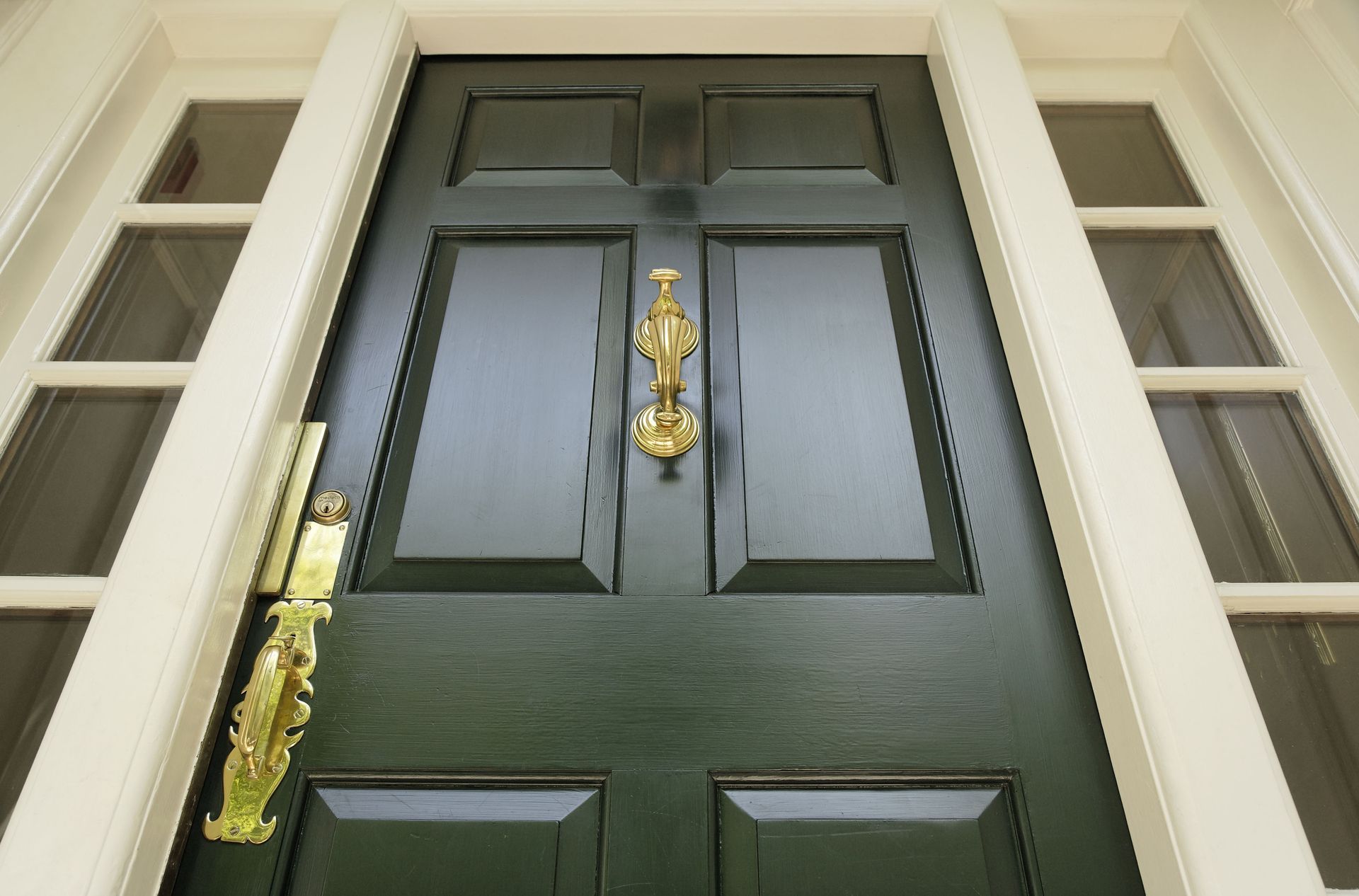
Comparing your entry appearance against modern neighborhood standards highlights obsolete design choices that diminish home values. Outdated decorative patterns, discolored hardware, and obsolete panel shapes diminish your home's overall architectural character. A refreshed entryway transforms first impressions dramatically, welcoming guests while increasing prospective buyer interest during real estate sales.
Selecting modern hardware finishes, sleek glass patterns, and rich color tones creates an attractive, cohesive exterior statement. Upgrading aging entryways elevates overall property value instantly, maximizing return on investment. Updating old panels creates a striking architectural focal point that reflects your personal home design preferences seamlessly.
Upgrading an aging entry unit restores home security, elevates curb appeal, and reduces monthly energy expenditures significantly. Addressing visible wood rot, persistent drafts, sticky operations, and faded finishes protects structural home investments from escalating water damage.
Selecting high-performance modern materials ensures smooth daily operation, superior acoustic insulation, and reliable security against unexpected intruders. Working alongside skilled installation professionals ensures precise frame alignment, eliminating gaps that allow expensive conditioned air to escape indoors.
Recognizing these critical warning signs empowers homeowners to take action before minor entry flaws turn into major household repairs. Replacing worn entryways creates a warm, safe, and beautiful living space for years to come. Are you looking to replace your front door for your home in the South Florida region? America's Best Windows & Doors is ready to assist! Call today to schedule an appointment.