February 26, 2026
Choosing custom doors for your home is an exciting opportunity to add personal style and functionality to your living space. Selecting the right custom door allows you to create a distinctive entrance or interior feature tailored specifically to your needs. However, there are several key factors to consider to ensure you make the best decision.
With new home sales having increased by 1.8% in February 2025, according to the National Glass Association, the demand for personalized home solutions like custom doors is on the rise. Homeowners are becoming more discerning about their choices, focusing not just on aesthetics but also on practicality and efficiency. As more buyers look for unique upgrades, investing in a custom door has become a popular way to enhance both curb appeal and property value. As we embark on this exploration, keep in mind the balance between style, functionality, and investment, aligning every aspect with your home's unique demands.
Custom doors can play a pivotal role in accentuating the charm of your home while also addressing practical concerns such as security, privacy, and energy efficiency. Every custom door offers an opportunity to redefine personal spaces with creativity, yet requires careful consideration of numerous factors. From assessing your needs to installation and security features, a multitude of elements can influence your decision, highlighting the complexity of creating doors that are as functional as they are beautiful.
1. Assessing Your Needs
1.1. Understanding the Purpose of the Door
Identifying the primary function of the door is crucial when choosing a custom door solution. Whether you prioritize security, aesthetics, or insulation will greatly influence your material and design choices. Different rooms or entryways might require different types of doors; for instance, a custom front door would generally focus more on security and initial visual impact, while a patio door might prioritize easy access to outdoor spaces. The purpose of each door should be evaluated carefully to meet the anticipated demands of the household. This foundational decision sets the tone for the entire selection process, affecting every other decision to follow.
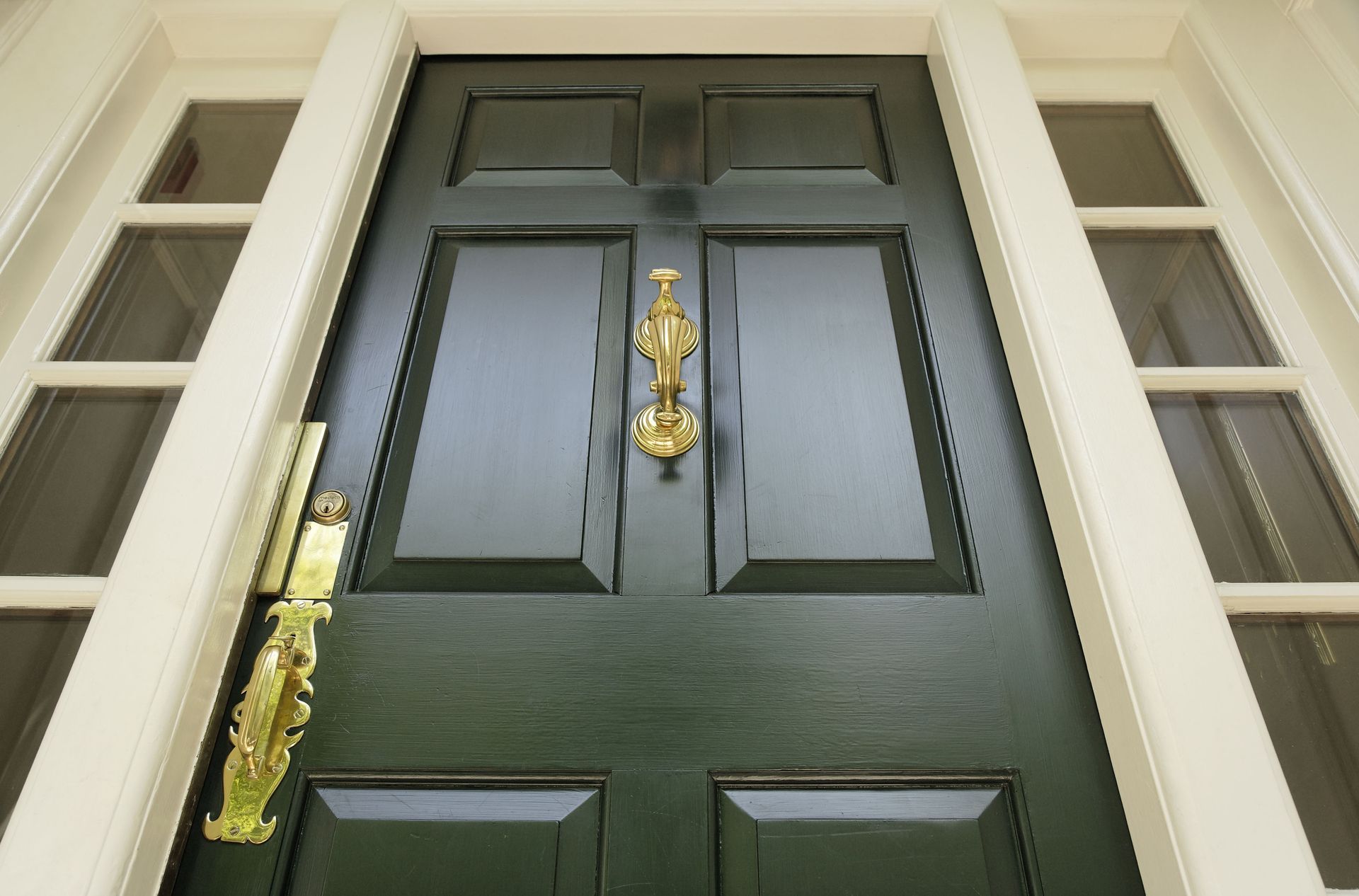
In areas where security is a top priority, such as the front or back entrances, doors made from robust materials and incorporating advanced locking systems may be preferred. A reinforced custom door can offer enhanced protection without sacrificing style. Conversely, interior doors leading to living spaces might favor cohesiveness with the overall decor. Keep in mind that the purpose of the door might evolve over time, and that adaptability can be an asset when designing a custom door that will serve your home for years.
The increase in new home sales suggests a heightened interest in property personalization and efficient use of space, making diverse door purposes more prominent. As homeowners experiment with open-concept designs or multi-functional spaces, the role of a thoughtfully selected custom door as both a physical and visual separator becomes increasingly important. Identifying these purposes clearly at the onset helps align expectations with reality, ensuring that each door fulfills its intended role while enhancing the home's value and usability.
1.2. Measuring the Space Accurately
Accurate measurements are critical in the selection of custom doors to ensure a seamless fit and hassle-free installation. An improperly sized custom door can lead to issues with alignment, insulation gaps, or difficulty opening and closing. Begin by measuring the doorframe's height and width, taking into account any necessary allowances for hardware or trim. Precision at this stage will prevent costly mistakes down the line and facilitate a smoother transition between old and new elements.
Consideration of space goes beyond just the visible dimensions of the door frame. It's crucial to also consider the depth of the frame and any architectural quirks that may require unique solutions. A custom door that fits perfectly enhances both structural integrity and visual harmony. Engaging with professionals at this stage can provide invaluable insight, highlighting considerations that might otherwise be overlooked.
Ensuring that every measurement is exact allows for the full realization of your aesthetic vision while maintaining the integrity and functionality of the space. Proper planning ensures your custom door integrates seamlessly into your home’s existing design and structural framework.
Material Selection
2.1. Exploring Different Materials
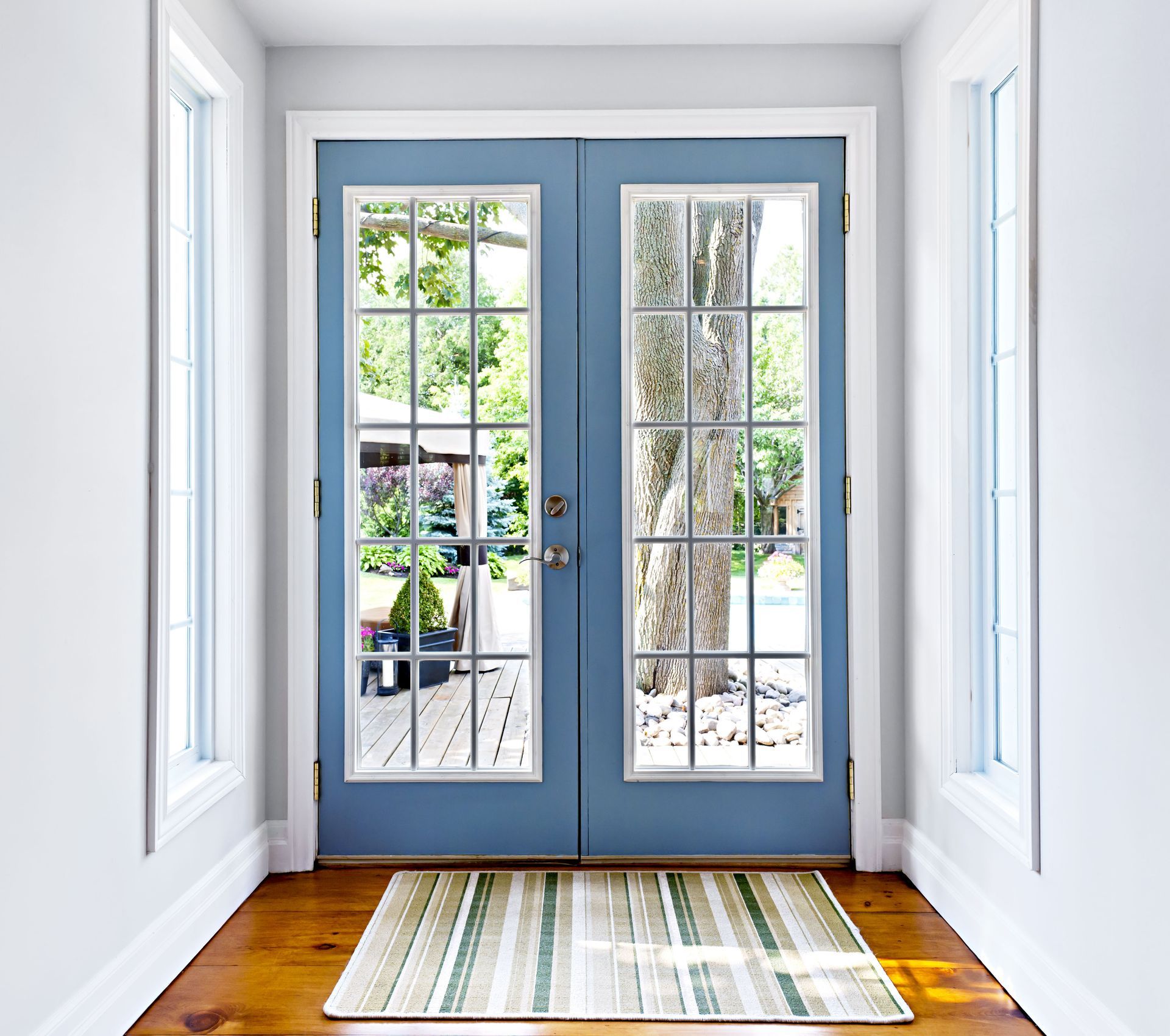
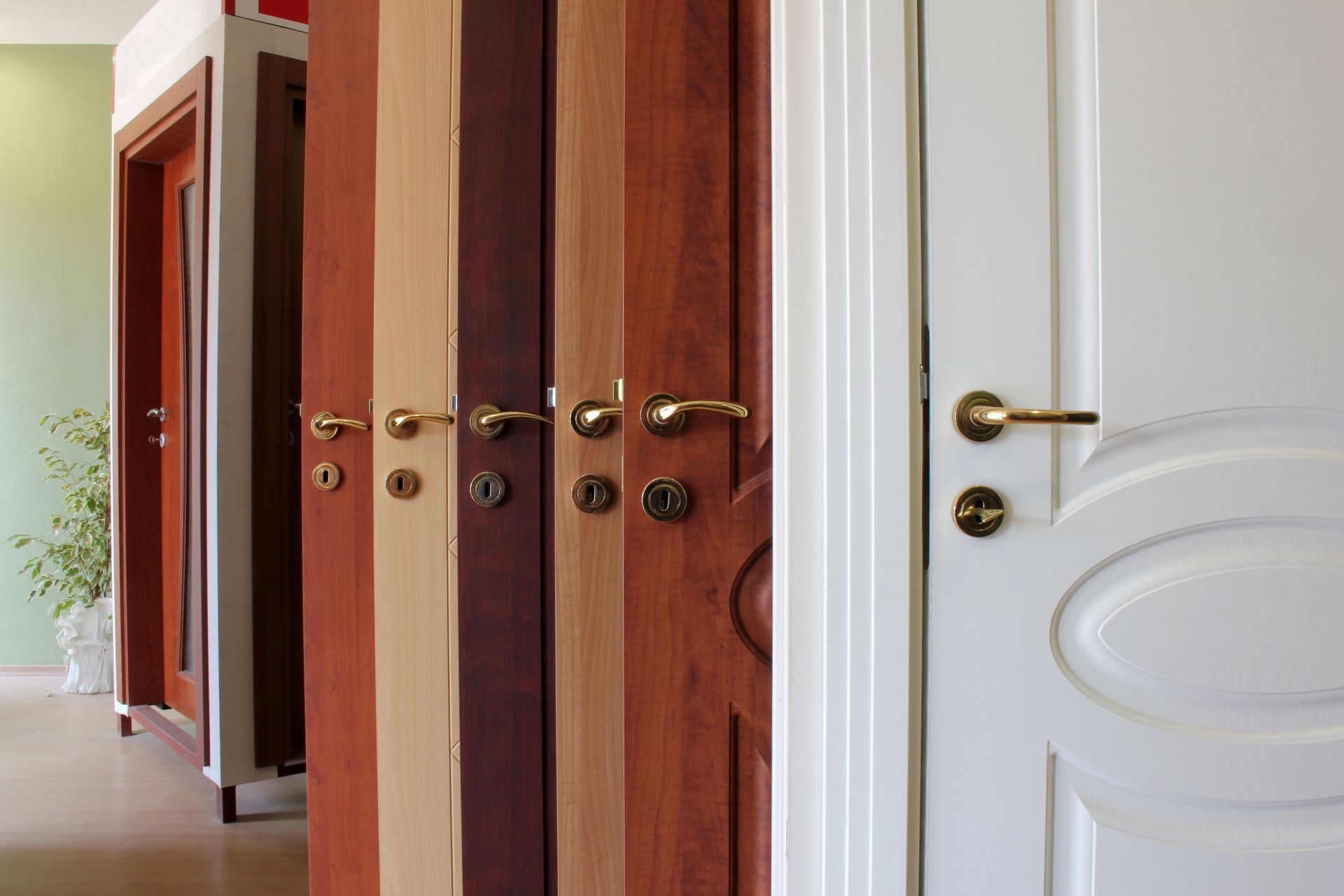
The selection of materials for custom doors is a critical step that determines both appearance and performance. The material you choose for your custom door influences everything from insulation capabilities to long-term durability. Options such as wood, metal, glass, and composite materials each offer unique benefits and challenges. Wood is prized for its natural beauty, while metal may provide enhanced security. Glass designs can add natural light but must be placed thoughtfully to preserve privacy.
Understanding the properties of each material can guide you toward solutions that offer the best return on investment. A well-built custom door made from quality materials can withstand environmental stress while maintaining visual appeal. Composite options, for example, blend strength, insulation, and design flexibility to meet diverse homeowner needs.
With growing awareness of sustainability, many homeowners prioritize eco-friendly materials. Selecting responsibly sourced materials for your custom door can reduce environmental impact while still achieving a distinctive look. Material selection ultimately balances aesthetic vision with practical longevity.
2.2. Assessing Durability and Maintenance
The durability of a door’s material is a key consideration with long-term implications. A high-quality custom door constructed from resilient materials can reduce repair frequency and maintenance costs. Wooden options may require periodic refinishing, while steel or fiberglass alternatives often demand less upkeep.
Maintenance requirements directly affect convenience and overall satisfaction. Choosing a custom door with finishes that resist scratches, dents, and weather exposure helps preserve appearance over time. Low-maintenance materials can be especially beneficial for busy households seeking both style and practicality.
By evaluating longevity alongside aesthetic appeal, homeowners can select a custom door that delivers enduring value. This thoughtful approach ensures that the investment continues to enhance the home well into the future.
3. Design and Style Options
3.1. Reviewing Architectural Cohesion
The design and style of custom doors should reflect the architectural essence of your home. A carefully selected custom door enhances cohesion rather than disrupting it. Traditional homes may benefit from paneled wood designs, while modern residences might feature sleek glass or metal finishes.
Considering exterior sightlines and interior flow is essential. A statement custom door can serve as a focal point while harmonizing with trim, colors, and surrounding features. Consulting with a design professional can help refine details that elevate the final look.
As custom doors often anchor visual impressions, selecting a style that aligns with your home's character strengthens architectural unity. Thoughtful design decisions transform a custom door into both a functional feature and an artistic expression.
4. Budget Considerations
4.1. Setting a Realistic Budget
Setting a realistic budget is essential when planning for custom doors. The cost of a custom door varies based on materials, size, detailing, and hardware selections. Establishing financial boundaries early allows you to prioritize quality and functionality without overspending.
Beyond initial purchase price, installation and long-term maintenance should be factored into the budget. Investing in a well-crafted custom door may involve higher upfront costs but can result in improved energy efficiency and durability.
With increasing home personalization trends, strategic budgeting allows homeowners to enjoy the benefits of a custom door while maintaining financial balance. Clear planning supports both aesthetic goals and responsible investment decisions.
Evaluating project complexity and personal expertise will help determine the best installation method. Whether choosing professional assistance or taking a hands-on approach, careful planning ensures the custom door functions as intended.
By approaching the process thoughtfully, homeowners can create doors that elevate their living spaces while providing long-term value. As personalization continues to shape modern housing trends, investing in a custom door represents a meaningful way to blend craftsmanship, security, and distinctive style into your home. Contact America's Best Windows & Doors today to learn more.