October 23, 2026
Upgrading home fixtures is a critical step for property owners aiming to boost overall building efficiency, elevate interior comfort, and gain firmer control over routine utility expenses. Residential energy consumption is heavily influenced by how effectively a building's envelope retains conditioned air while preventing unwanted external thermal infiltration. Understanding how modern structural components interact with environmental elements is essential for making smart home improvement decisions that deliver lasting financial dividends. Upgrading to high-quality replacement windows offers a reliable, time-tested strategy to stabilize indoor temperatures, reduce mechanical strain on heating and cooling systems, and minimize unnecessary daily power usage. The right products create a seamless, protective thermal barrier around living spaces, completely transforming how effectively a building manages aggressive seasonal heating and cooling demands throughout the entire year.
1. Understanding Energy Efficiency in Modern Homes
Energy efficiency centers on using targeted design features, specialized structural materials, and engineering innovations to maintain optimal indoor comfort while drastically reducing total energy consumption. When home systems perform efficiently, homeowners experience lower monthly operational costs while simultaneously decreasing overall demand on local power grids and public energy infrastructure. Integrating high-performance structural elements directly improves thermal performance across all seasons, protecting residential spaces from seasonal weather extremes while systematically lowering a household's broader carbon footprint over time.
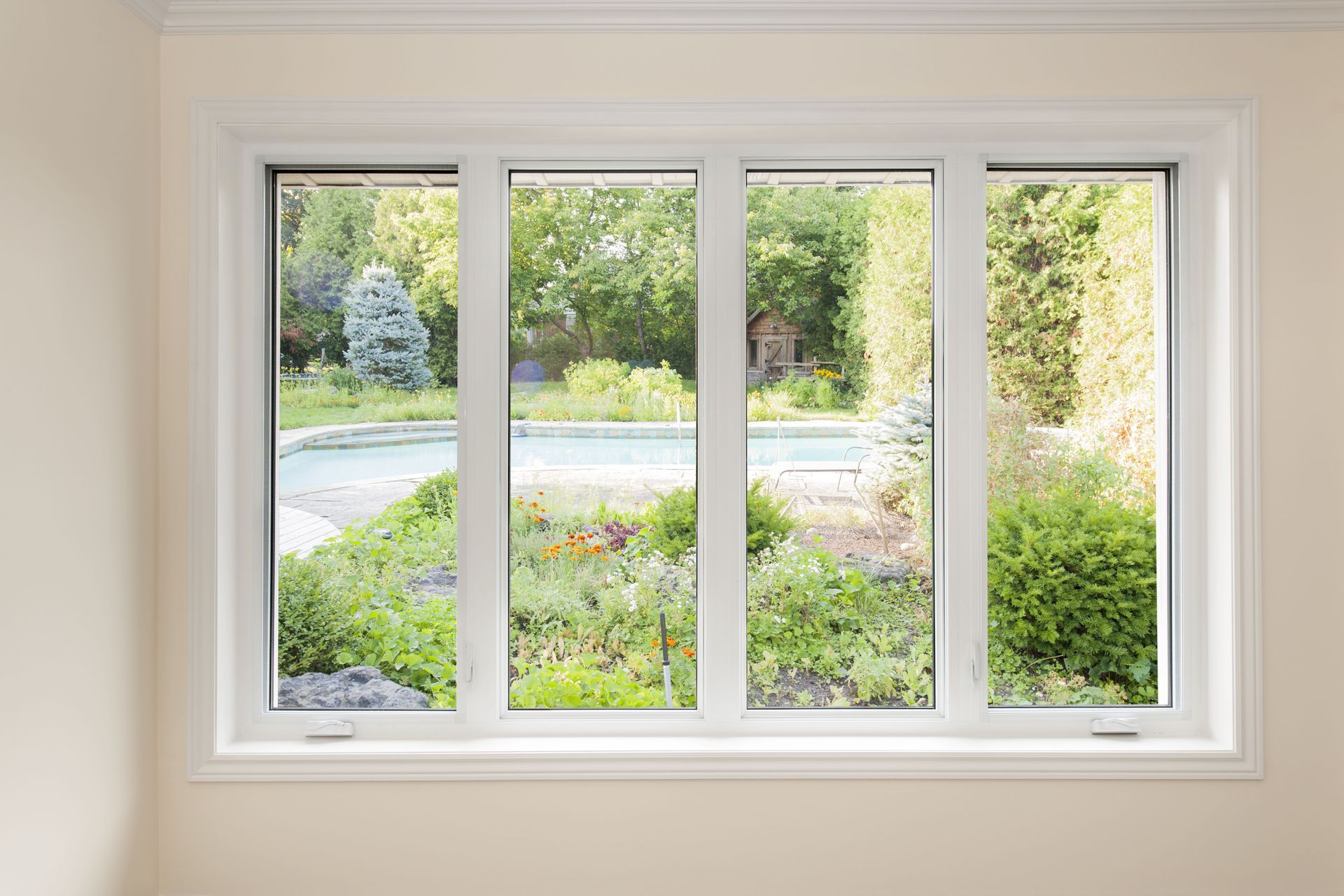
Windows act as a major focal point for residential energy retention or rapid heat loss within any structure. Older, uninsulated fixtures can account for up to thirty percent of residential heating and cooling waste due to clear single-pane glass, decaying frame materials, and degraded perimeter seals that allow air to move freely between environments. By installing modern replacement windows, property owners can effectively eliminate persistent cold drafts, uncomfortable hot spots, and excessive humidity infiltration, leading directly to reduced HVAC workloads, optimized indoor air management, and dramatically lower energy bills year after year.
Thermal transfer typically happens through four primary pathways: conduction through materials, convection through moving air masses, solar radiation through transparent surfaces, and unwanted air leakage around unsealed frame openings. According to the National Association of Home Builders (NAHB), residential remodeling activity is projected to increase by 5% in 2025, supporting continued demand for replacement windows and doors. This steady, multi-year market expansion highlights a growing commitment among homeowners across the nation to prioritize high-value property enhancements that maximize long-term utility savings, enhance structural resilience, and safeguard long-term property values.
2. Improving Thermal Insulation and Barrier Performance
Modern architectural glass utilizes advanced material engineering to optimize thermal performance without limiting natural daylighting. Microscopic Low-emissivity (Low-E) coatings reflect metallic heat radiation toward its source, keeping interior heat trapped inside during winter while reflecting harsh radiant solar heat away during summer months. Multi-pane designs feature airtight insulated spaces filled with dense argon or krypton gas, which significantly slows conductive thermal transfer compared to standard air spaces. These sophisticated features combine to make high-efficiency replacement windows an exceptional first line of defense against unwanted exterior temperature fluctuations.
Frame materials play a critical, underlying role in supporting overall window insulation and structural rigidity. Framed material options like composite vinyl, durable fiberglass, and specially treated wood offer superior non-conductive properties that stop thermal energy from traveling through the wall structure into living areas. Pairing these robust frame options with precision-engineered weatherstripping systems creates a resilient, airtight seal around operable sashes, preventing subtle air infiltration, locking out ambient moisture, and protecting interior living spaces from aggressive seasonal drafts.
Minimizing overall thermal conductivity relies on precise engineering and manufacturing quality across every component of the finished window unit. High-density gas fills dramatically lower the unit's U-factor, which measures the exact rate of non-solar heat flow through the complete assembly. By combining advanced multi-chamber frame materials, spectrally selective reflective glass coatings, and airtight perimeter seals, comprehensive home window upgrades significantly reduce both conductive and convective energy losses through the residential building envelope across every month of the year.
3. Measuring Financial Savings and Energy Performance
Evaluating real-world window efficiency requires systematically reviewing standardized, independent performance ratings provided by industry organizations like the National Fenestration Rating Council (NFRC). Key standardized metrics include the U-factor, which measures thermal heat loss, and the Solar Heat Gain Coefficient (SHGC), which measures solar radiation transmission. Selecting high-performance replacement windows with optimal NFRC ratings and ENERGY STAR verification ensures that selected fixtures deliver certified energy performance tailored specifically to regional climate demands and seasonal temperature ranges.
Calculating the true return on investment involves thoroughly analyzing annual utility cost reductions alongside long-term property value appreciation and reduced HVAC equipment maintenance costs. Property owners who carefully track their monthly heating, ventilation, and air conditioning expenses before and after a full window replacement consistently report noticeable, permanent reductions in total electrical and gas usage. Over time, these cumulative utility savings offset initial purchase and installation expenses, turning an essential structural renovation into a financially sound, self-recouping home improvement investment.
Real-world energy audits and case studies consistently demonstrate that replacing outdated single-pane units with multi-pane, gas-filled fixtures yields substantial reductions in total household energy demand. Consistently monitoring performance metrics allows consumers to tailor their specific product selections to match individual room orientation, shading conditions, and regional climate profiles. This targeted approach maximizes long-term financial returns, stabilizes indoor humidity levels, and delivers continuous, uncompromising comfort throughout the entire home.
4. Analyzing Factors That Impact Overall Efficiency
Regional climate profiles play a major role in determining which specific window features and glass technologies will deliver the greatest energy savings over time. Northern homes subject to harsh, prolonged winters benefit most from extremely low U-factors to keep costly indoor heat inside during cold months, whereas southern residences require lower SHGC ratings to reflect intense summer solar radiation and prevent excessive cooling demand. Choosing replacement windows specifically engineered for regional weather conditions ensures optimal HVAC system performance and maximizes continuous energy savings year-round.
Proper installation practices are just as critical as the engineered quality and ratings of the manufactured window unit itself. Even top-rated, high-end fixtures will fail to perform if installed incorrectly, leading to hidden perimeter air leaks, water intrusion, wall frame decay, and severe thermal bridging around the window opening. Working with certified, experienced installation professionals guarantees tight perimeter air seals, accurate square alignment, and complete expanding-foam insulation around frame rough openings for uncompromising performance.
Window sizing, exterior elevation, and architectural orientation also heavily influence solar heat gain and energy dynamics across different living spaces. West-facing glass receives intense afternoon sunlight that requires targeted solar control coatings, whereas heavily shaded northern windows focus primarily on raw heat retention and structural insulation. Performing regular cleaning, inspecting caulking beads, and checking moving sashes ensures hardware functions smoothly and maintains original air seal integrity for decades of dependable operation.
5. Selecting Ideal Features for Long-Term Value
Choosing the ideal window combination requires thoughtfully balancing structural durability, thermal insulation capabilities, and long-term architectural aesthetic appeal. Low-maintenance vinyl frame options provide reliable insulative properties and resist weathering, while engineered fiberglass offers exceptional structural strength for larger glass spans without warping under extreme temperature changes. Carefully comparing individual frame material traits helps homeowners select superior products that fit both immediate budget constraints and overall home design requirements.
Double and triple glazing options offer far superior thermal barriers when compared to conventional single-pane alternatives. Adding a third pane of glass combined with dual gas-filled insulative cavities creates an exceptional barrier against outdoor acoustic pollution while providing maximum resistance to conductive heat loss. Weighing up-front product investment costs against multi-year utility bill reductions makes multi-pane glass upgrades a highly attractive, high-value choice for energy-conscious buyers seeking long-term home enhancements.
Deciding on final window specifications involves evaluating municipal energy incentives, local utility rebates, and performance metrics alongside enhanced curb appeal and home resale value. Selecting fully certified products with optimized U-factors and SHGC metrics guarantees long-term satisfaction and permanent utility reduction. Investing in high-performance replacement windows enhances daily living comfort while supporting sustainable, energy-conscious building practices. For more information about the services that we offer, reach out to our incredible team at America's Best Windows & Doors today!