November 24, 2026
Discover how upgrading your home's windows can significantly reduce energy costs while improving comfort throughout the year. Modern window technology offers advanced insulation, improved sealing, and reduced heat transfer compared to older designs. By addressing common inefficiencies, homeowners can lower their reliance on heating and cooling systems while maintaining comfortable indoor temperatures. Investing in replacement windows provides an opportunity to improve energy performance, enhance property value, and reduce long-term household expenses. Understanding the available materials, glazing technologies, and installation requirements helps homeowners make informed decisions about their investments.
Understanding How Older Windows Contribute to Energy Loss
Older windows frequently contribute to excessive energy consumption because they lack the insulation capabilities of modern designs. Single-pane glass, deteriorating seals, and outdated framing materials allow unwanted heat transfer between indoor and outdoor environments. During winter, heated indoor air loses energy through poorly insulated glass, forcing heating systems to work harder. During summer, outdoor heat enters living spaces, increasing air conditioning demands. These temperature fluctuations contribute to higher utility bills and inconsistent household comfort.
Air leaks create additional challenges as window components deteriorate over time. Damaged weatherstripping, warped frames, and gaps around window openings allow conditioned air to escape. These openings can also permit moisture intrusion, potentially damaging surrounding walls and interior finishes. Installing replacement windows with improved sealing systems helps address these problems while creating a more effective barrier against outdoor conditions. Identifying existing sources of energy loss allows homeowners to prioritize upgrades that provide meaningful improvements.
Exploring the Importance of Window Frame Materials
Window frames influence insulation, durability, maintenance requirements, and overall energy performance. According to Consumer Affairs, exterior materials such as metal, wood, and fiberglass affect both window costs and appearance. Traditional metal frames can conduct heat readily unless they incorporate thermal breaks, while wood offers natural insulating properties. Fiberglass provides dimensional stability and resistance to temperature-related expansion, making it suitable for various climates.
Vinyl frames are another popular option because they require relatively little maintenance and provide effective thermal performance when properly constructed. Homeowners should evaluate frame materials according to local weather conditions, architectural preferences, and available budgets. Durable framing helps maintain tight seals and reduces the likelihood of drafts developing over time. Selecting compatible glass and frame components ensures the entire window assembly performs efficiently rather than relying on glazing improvements alone.
Improving Insulation With Double-Pane and Triple-Pane Glass
Modern replacement windows frequently incorporate double-pane or triple-pane glass to improve thermal insulation. Double-pane configurations contain two glass layers separated by a sealed space, reducing heat transfer compared to traditional single-pane designs. Triple-pane models add another glass layer and insulating space, providing additional thermal resistance. These configurations help stabilize indoor temperatures while reducing heating and cooling demands.
Many insulated glass units contain argon or krypton gas between their panes. These gases conduct less heat than ordinary air, improving thermal performance when incorporated into properly sealed assemblies. Argon is commonly selected for its balance of affordability and effectiveness, while krypton can provide advantages in narrower glazing spaces. Although triple-pane options generally require a larger initial investment, they may offer additional benefits in colder climates. Comparing performance ratings helps homeowners determine which configuration best supports their energy-saving goals.
Reducing Heat Transfer With Low-E Glass Technology
Low-emissivity glass, commonly called Low-E glass, features specialized microscopic coatings designed to manage radiant heat transfer. These coatings reflect certain wavelengths of infrared energy while allowing visible light to enter interior spaces. Depending on the coating selected, Low-E technology can help retain indoor warmth during winter or limit unwanted solar heat gain during summer. This versatility makes it valuable across different climates and architectural designs.
Low-E coatings can also reduce ultraviolet exposure, helping protect furniture, flooring, and decorative materials from fading. Homeowners considering replacement windows should evaluate glazing options based on their property's orientation, regional climate, and sunlight exposure. South-facing windows may benefit from different solar control characteristics than shaded openings. Choosing appropriate coatings allows homeowners to balance natural lighting, indoor comfort, and energy efficiency without unnecessarily sacrificing outdoor views.
Preventing Drafts Through Proper Window Sealing
Effective air sealing is essential for maintaining energy-efficient living spaces. Even high-performance glass cannot deliver its intended benefits when surrounding gaps permit uncontrolled airflow. Modern window assemblies incorporate weatherstripping, compression seals, and carefully engineered components that minimize air infiltration. These features help maintain consistent indoor temperatures and reduce unnecessary heating and cooling cycles.
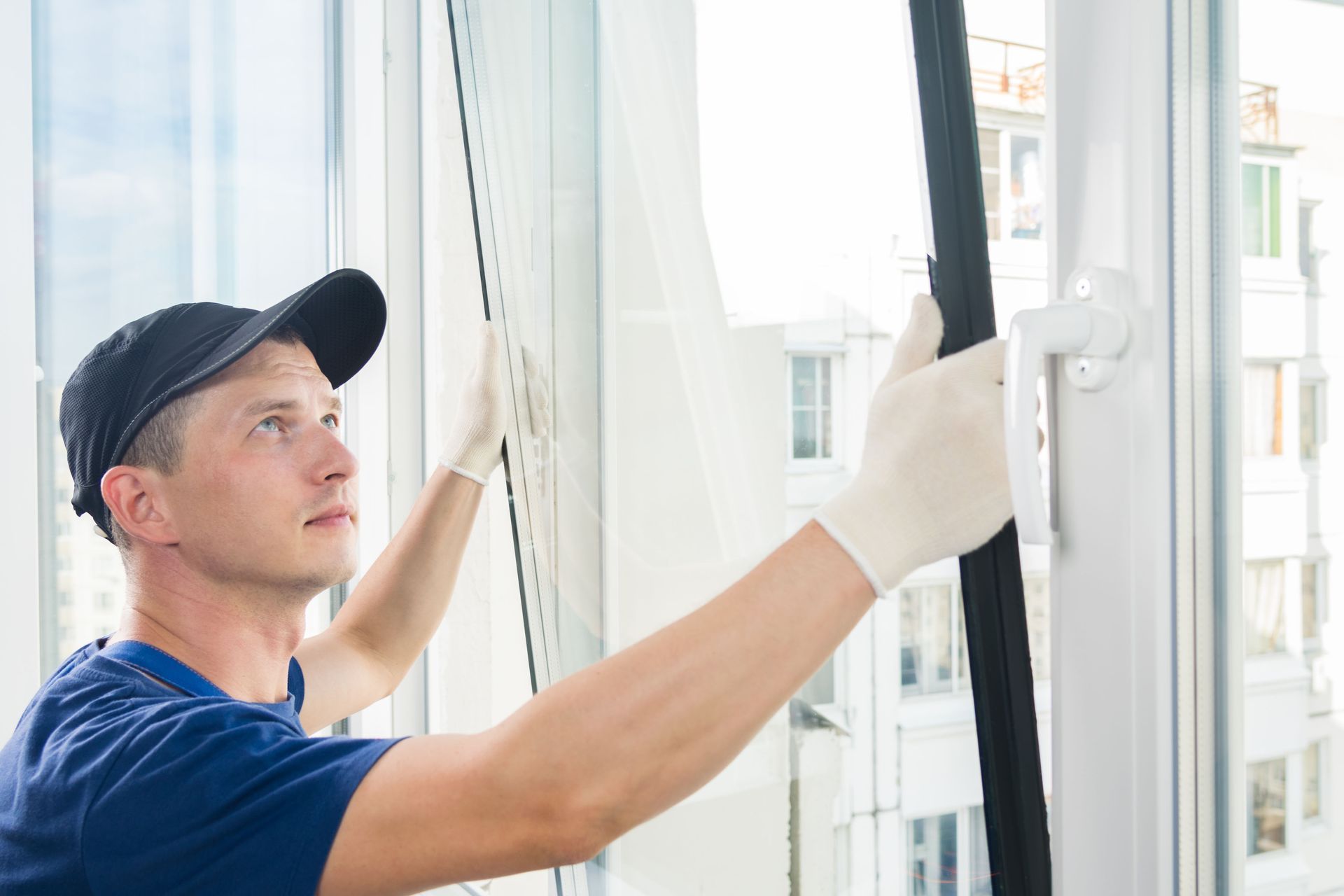
Professional installation is equally important because improper measurements or inadequate sealing can compromise performance. Installers must assess existing openings, address damaged surrounding materials, and apply suitable insulation and flashing techniques. Properly installed replacement windows can reduce drafts while helping prevent moisture infiltration around window openings. Homeowners should also inspect surrounding trim and wall connections to identify potential weaknesses. Combining quality products with careful installation supports dependable performance throughout changing seasons.
Enhancing Indoor Comfort and Reducing Outside Noise
Energy-efficient windows provide benefits beyond reduced utility expenses. Improved insulation helps eliminate uncomfortable cold spots near glass surfaces during winter and excessive warmth during summer. Maintaining more consistent temperatures throughout living spaces creates a comfortable environment without requiring frequent thermostat adjustments. Reduced drafts also make rooms near exterior walls more enjoyable during extreme weather.
Advanced glazing configurations may additionally reduce outside noise, particularly when combined with laminated glass or panes of different thicknesses. Traffic sounds, neighborhood activity, and other disturbances can become less noticeable when appropriate acoustic features are selected. Replacement windows with effective thermal and sound insulation can therefore improve everyday living conditions. Homeowners should remember that noise reduction varies according to glass construction, frame design, installation quality, and the frequencies of surrounding sounds.
Lowering Heating and Cooling Expenses Over Time
Reducing heat transfer through windows can decrease the amount of energy required to maintain comfortable indoor temperatures. When less conditioned energy escapes through glass and surrounding frames, heating and cooling equipment may operate less frequently. This improvement can translate into lower monthly utility expenses, particularly in homes with outdated single-pane windows or substantial air leakage.
Actual savings depend on several factors, including local climate, existing window conditions, household energy consumption, and the efficiency of installed products. Homeowners should compare U-factor ratings, which measure heat transfer, and solar heat gain coefficients, which indicate how much solar radiation passes through a window. Lower U-factors generally indicate better insulation, while appropriate solar heat gain ratings depend on climate and exposure. Selecting replacement windows with suitable performance characteristics helps maximize potential savings while supporting comfortable indoor conditions.
Increasing Property Value and Improving Curb Appeal
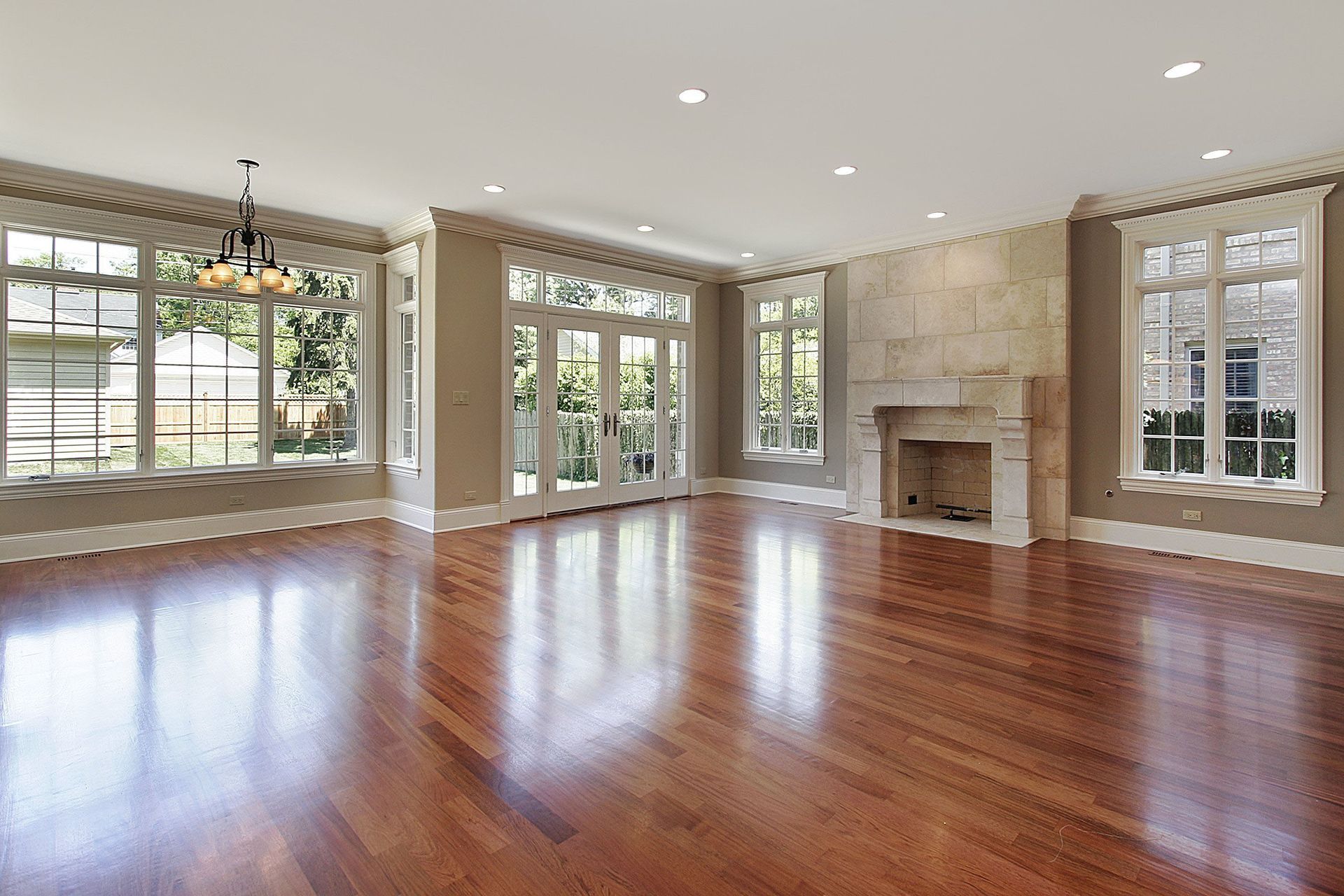
Upgrading outdated windows can improve a property's appearance while demonstrating attention to maintenance and energy efficiency. Modern products are available in numerous styles, finishes, and frame materials, allowing homeowners to complement traditional or contemporary architecture. Attractive windows can enhance exterior presentation while providing cleaner sightlines and improved natural lighting.
Prospective buyers may appreciate improvements that reduce future maintenance requirements and support manageable utility expenses. However, the financial return depends on installation costs, local housing conditions, and the overall property. Homeowners should consider both immediate comfort benefits and potential resale advantages when evaluating upgrades. Choosing durable materials and timeless designs can help maintain visual appeal while protecting the investment over time.
Investing in replacement windows represents a practical approach to improving household energy efficiency and everyday comfort. By combining modern glazing technology, durable framing materials, and professional installation, homeowners can reduce unwanted heat transfer and support lower utility expenses. Thoughtful planning ensures that these improvements provide lasting value while creating a more comfortable and efficient living environment. Contact America's Best Windows & Doors today and learn more about our replacement window services.